Sardinia has more sheep than people, and that is not a figure of speech. Shepherding has shaped the island's landscape, villages and food, and pecorino is its best-known result. Our family has raised sheep for generations: here is what is worth knowing about this cheese.
Where the milk comes from
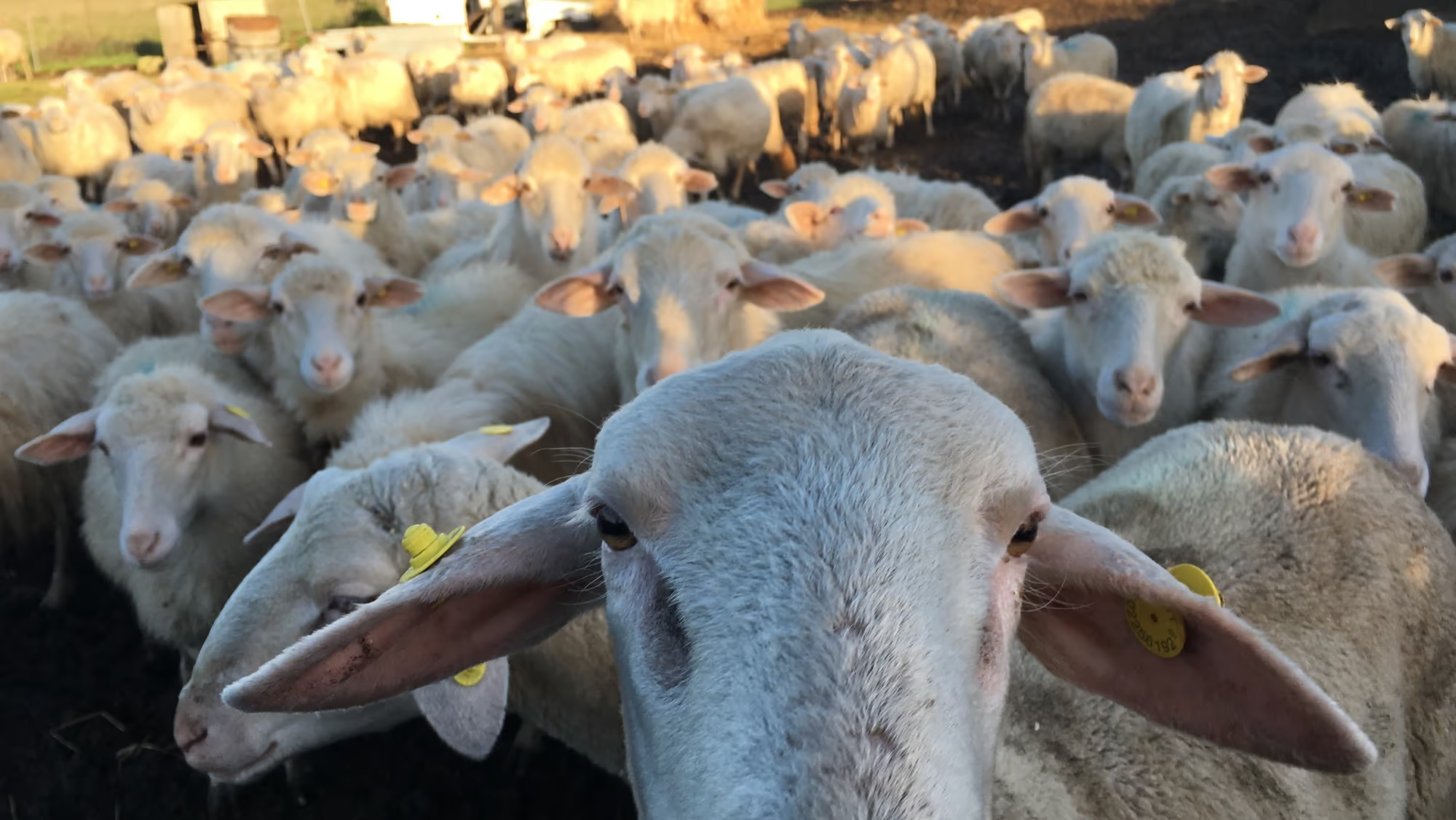
Almost all Sardinian pecorino is made from the milk of the Sarda sheep, a hardy breed used to the island's pastures. The animals spend the day outdoors and feed on wild grasses that change with the seasons, which is why a spring cheese does not smell like an autumn one.
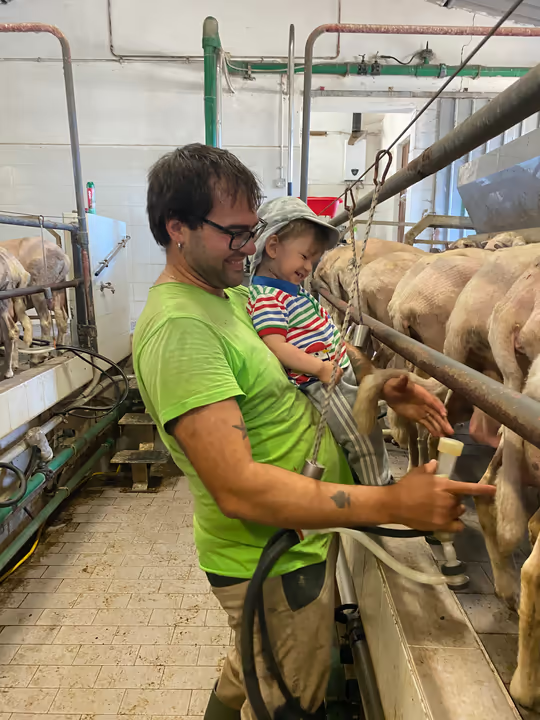
The day starts early. The flock is gathered, taken to the milking parlour and then back to pasture. It is patient work: sheep must never be frightened, because stress lowers their milk.
Sardinia's pecorino cheeses
- Pecorino Sardo PDO dolce: aged 20 to 60 days. Soft white paste, delicate and slightly tangy. A table cheese, eaten on its own or with bread.
- Pecorino Sardo PDO maturo: aged over two months, often much longer. Firm paste and a bold flavour. Young, it is a table cheese; well aged, it is for grating.
- Fiore Sardo PDO: the shepherds' cheese par excellence, made from raw milk and often lightly smoked, with an intense, lingering taste.
- Pecorino Romano PDO: despite the name, most of it is made in Sardinia. Very salty, it is the classic grating cheese.
How it is made, in short
- The milk is warmed and rennet is added to set it.
- The curd is cut into small grains, finer or coarser depending on the cheese.
- It goes into moulds and is pressed by hand to drain the whey.
- It is salted, dry or in brine.
- It ages in cool rooms, where the wheels are turned and looked after for weeks or months.
The leftover whey becomes ricotta, eaten fresh or salted and aged.
Being a shepherd is above all about respect: for the animals, for nature's timing, for those who did it before us.
How to enjoy it
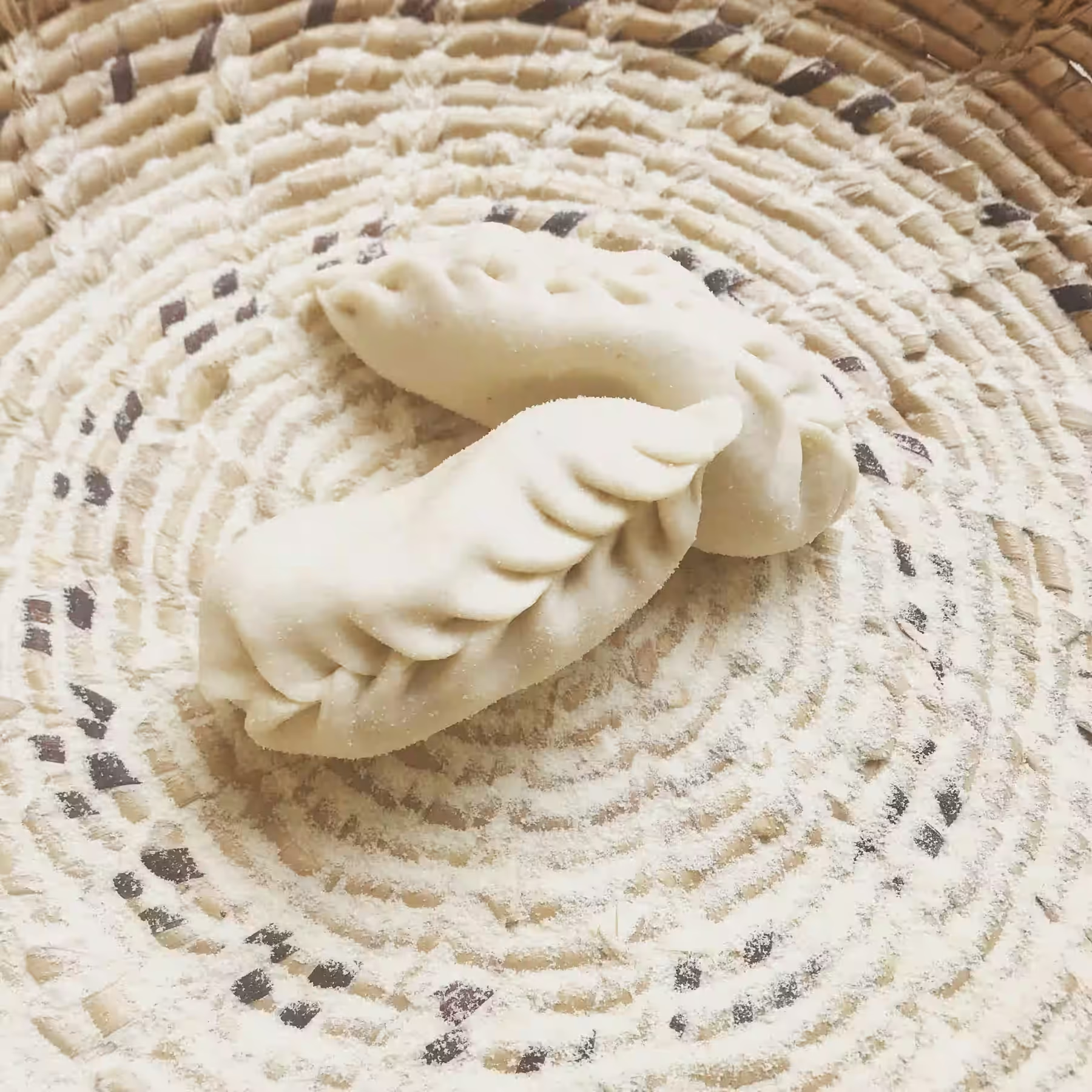
Young pecorino is perfect with pane carasau and a drizzle of extra virgin olive oil, or with honey and fruit. Aged pecorino is grated over malloreddus and culurgiones, and it is the key ingredient of seadas, the cheese and honey pastry in our guide to Sardinian food.
Spend a day as a shepherd
On Shepherd's life you walk the flock from pasture to milking, help with feeding and end the visit with an aperitivo on the farm. At the right time of year you can watch the milk being made into cheese. And with the first warm days comes shearing, a day of work and celebration that involves the whole family.